




We love holiday movies and TV shows for the cheese, the cheer, and the cozy vibes. Throughout film history, those vibes are usually cultivated by the existence of snow! Since at least the 1954 movie, we’ve all been dreaming of a White Christmas. From old black and white classics to iconic 90s hits to modern day Hallmark movies, snow is usually a main character of a holiday film.
And since movie magic has evolved over the past hundred years, so has snow-making. Filmmakers have used all sorts of crazy tricks to make things look wintry in film and TV. Here are some fun facts about the magic of snow on screen.
From Cornflakes to Soap Flakes
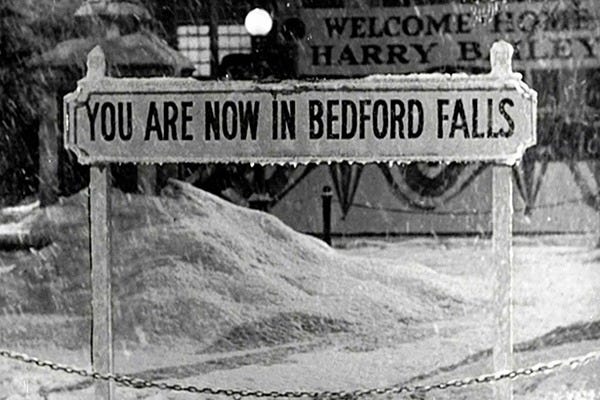
Frank Capra made It’s A Wonderful Life in the sweltering summer of 1946–but you’d never know it. In the fictional town of Bedford Falls, Jimmy Stewart’s George Bailey would have to trudge through the snow to get back to his normal life after meeting his guardian angel Clarence. The snowstorm is pivotal to the plot, so it had to look real–enough to show George’s enlightened return after an emotional–and literal–trek.
At the time, the industry standard was cornflakes painted white to look like snow. But the biggest problem with this method was the fact that cornflakes are….crunchy. They affect the sound of the movie when actors and crew members walk over them, requiring the filmmakers to dub in the actors’ lines. Capra refused, and insisted on finding a new way to make snow so he could film his actors speaking the lines live. The result? His head of special effects Russell Shearman, from RKO Radio Special Effects Studio, invented a whole new process for snow on screen. He mixed foamite, sugar, water and soap flakes and blew them through a machine to coat trees and the whole neighborhood. This incredible decision earned the film an Oscar in Technical Achievement in 1947.
Lions and Tigers and Asbestos, Oh My!
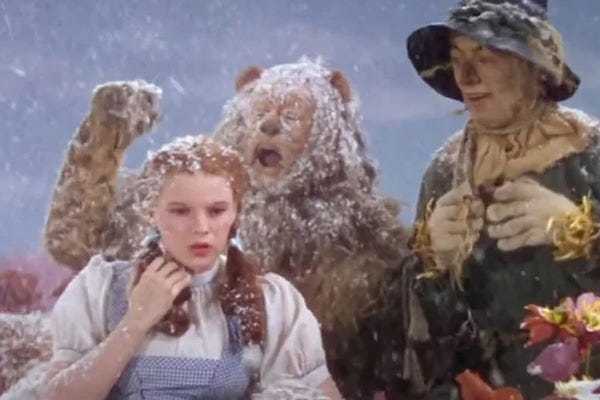
It wasn’t all soap and foamite on the set of It’s A Wonderful Life; they used some asbestos as well for falling snow. At the time, they didn’t yet know the harmful effects. You might know that it was used in so many movies, like in The Wizard of Oz, Holiday Inn and White Christmas. Prior to cornflakes, soap and asbestos, cotton was often used to make fake snow–which was a fire hazard. But asbestos was fire-resistant and sure looked like snow; it was marketed to consumers for home decorating as such. The iconic poppy scene in The Wizard of Oz used asbestos to sprinkle Judy Garland and the rest of the cast with tons of snow (and it wasn;t the only harmful material used in that film either). As Bing Crosby sang “White Christmas” in the finale of Holiday Inn, asbestos rained on him. Holly jolly indeed.
Other popular but dangerous materials to create snow included salt and gypsum, which could be unpleasant to work with. And marble dust, another substance that looks like snow, could be poisonous, causing pulmonary fibrosis.
Paper, fish ice, CGI, and more
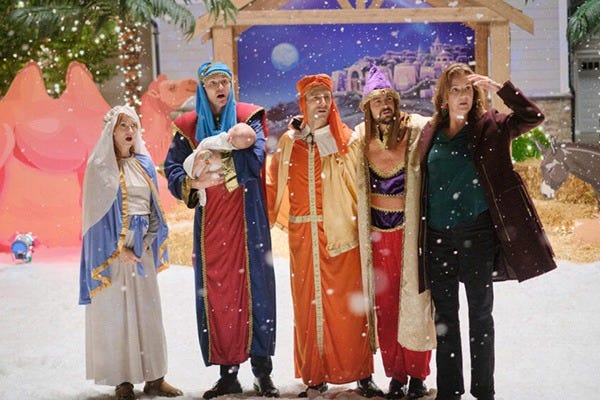
From around the 1980s to modern day, filmmakers, now aware of the dangers of asbestos and other materials, have gotten more creative with potato flakes (as used in Home Alone), paper and other products like less toxic flocking substances. In a recent NPR interview, the CEO of the U.K. based company Snow Business described how they can make snow for any occasion: light, romantic flurries, blizzards, ice, and more. They use a plant-based material to make paper snow; it is fire-treated and can be sprinkled or doused over an area with fans. They also use wax and gels that “melt” on cue. Hallmark movie makers for 2024’s Three Wiser Men and A Boy used fish ice for some scenes during their springtime filming. Fish ice tends to stick around longer, and hosing down an area first makes everything look wet as well. Another trick? The director put a plate of the fake snow under the camera to give the frame more of a snowy border. Pretty clever! And other Hallmark producers have admitted to using a soft focus lens to make blankets in the background look like snow.
And with the technology available, it’s not all practical effects. On NPR, Snow Business said that they often work alongside a visual effects partner on projects to get the complete look just right. Hallmark producer Andrew Gernhard gave some digital tricks of the trade in a recent interview. Since they have to make holiday movies year-round, they’re always faking the weather. Not only are the actors sweltering under layers of real wool coats and warm clothing on warm days, it’s impossible to produce ice in a heatwave. He revealed that often rollerskates are used and magically turned into ice skates in post-production. Similarly, they can remove leaves from trees and dust rooftops with CGI snow. For A Biltmore Christmas, filmed at the Biltmore Estate in North Carolina, they tinted the lawns orange and brown to fake the season. And while rain is the worst weather to shoot in, sometimes they can turn rain into snow in post-production by adding digital flurries to existing rain. They were able to do this for the new Hallmark offering, Holiday Touchdown: A Bills Love Story which was filmed on location in Buffalo, NY.
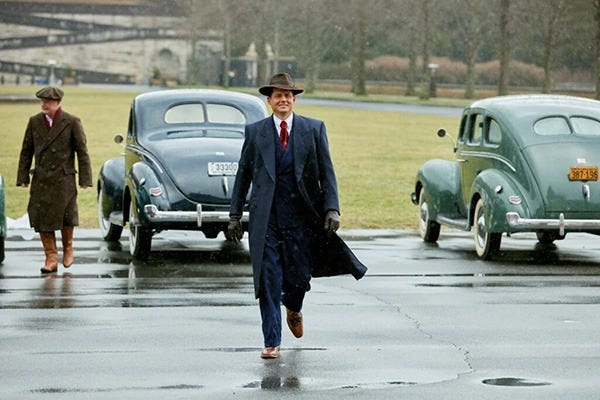
This video from Netflix–whose holiday slate of movies is always entertaining–does a great job of explaining why making snow can be so difficult. There are so many factors at play: it has to be safe for the crew and actors, and look right. But snow isn’t just any set piece: it is often a character in a film and connotes a feeling essential to the plot. It can be romantic or punishing, act as an overall setting, or a well-placed sprinkle for holiday magic.
So the next time you’re watching a holiday movie, think about all the work–and risk!-that went into creating your favorite snowy scenes. And nothing makes up for the real thing: a bit of snowfall over your own holiday.
