


What is one thing all fandoms have in common? Devotion to the art, creators, and the worlds of that franchise. Fans will often make excuses for the content they love out of pure passion. They’ll defend characters they love for doing something questionable, the occasional production mishap, small continuity errors or episodes that weren’t as engaging as others. Sometimes these aberrations become part of the lore of the fandom, the ability to love something even because of its flaws, rather than in spite of them.
But what pushes fans to the edge where their devotion is tested? What are the things that can actually break a fandom, or cause fans to cut ties with the content they once devoted themselves to? I’ve been thinking about all of my fandoms recently and what has stuck with me over time versus the franchises I broke from, and considering the reasons I–and others–have for making those decisions to bow out. Here are five scenarios in which fans’ devotion is tested.
When the ending is…bad
I never watched Game of Thrones, but boy did I hear about it when it ended. From everyone. Still. For the fandom, it felt to me that something sacred had been breached: a book series so beloved for so long, an epic and successful adaptation of those books (not always guaranteed; see below), and it all came crashing down with an ending the fans hated for all the right reasons. The one emotion I have felt from fans who talk about it is disrespect from the creators. With the original books by George R.R. Martin unfinished, by season 5 the writers had started writing new storylines without much of his involvement, and the ending of the series simply didn’t pass muster. Luckily for GoT fans, Martin turned his attention to the spinoff series, House of the Dragon–as well as the final books.
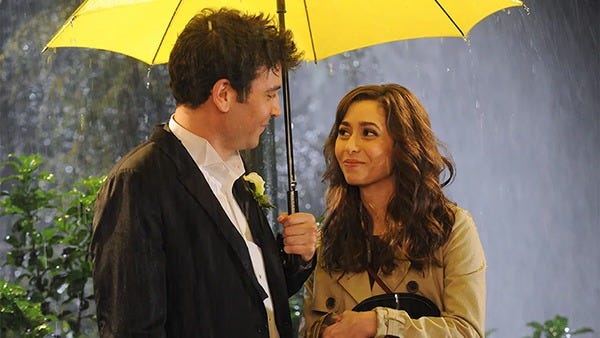
Another popular example is the ending of the sitcom hit, How I Met Your Mother. The series is built around Ted telling his kids the story of how he met their mother, as the audience is told the story over nine seasons. The final episode was where the fandom would finally learn the identity of the titular “mother.” Though I would argue, personally, that it was a cool choice to have a completely new character we never met be the mother. This tactic gave me flashbacks to the ending of The Wonder Years, a similar show told in flashbacks. In the series finale, Kevin explains that he and Winnie didn’t end up together as adults. It made sense for the series, which was about first experiences and young love, that the central love story be formative to the characters’ development but not the only love they would experience. On The Wonder Years, it absolutely worked.
But on How I Met Your Mother, it angered fans that the mother of Ted’s children is someone we meet in the ninth season, and only learn she’s for sure the one in the last episode before she passes away. Now Ted and Robin, now divorced from Barney, are in the process of getting back together. And what about the former serial womanizer Barney who seemed to have changed his ways by marrying Robin? Do these friends know any other people?! While the entire series is a great exploration of friendship and romance in your late 20s/early 30s, the finale of the show seems to negate previous character development and events of the last season for what seems like a cheap reason.
When a character changes, or dies
I’m not talking about when a character dies for the plot or to really serve a story. I personally love those character deaths. I also love when a character evolves because of what is happening in their storyline, whether it’s falling deep into depression or facing the world happier and lighter because they are going through positive changes. We should celebrate character development, and process the deaths of beloved characters as we would in real life.
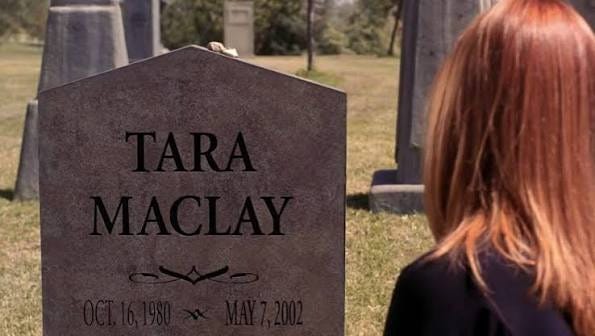
But character deaths that don’t serve a story seem to be created for shock value or just plain cruelty, and that pisses fans off. Fandoms know when an emotional reaction isn’t earned. Some examples: Tara on Buffy the Vampire Slayer. Derek on Grey’s Anatomy. You get the idea.
I recently saw an Instagram video about how the titular character in Dawson’s Creek, Dawson himself, evolved to be an insufferable character. But the creator praised James van der Beek, the actor, for playing the character as if he despised him. The protagonist in the show doesn’t get the girl, and all the side characters become the heroes. The fandom reacted in their own way to a contrived story and character development that didn’t really make sense.
Inconsistent storytelling
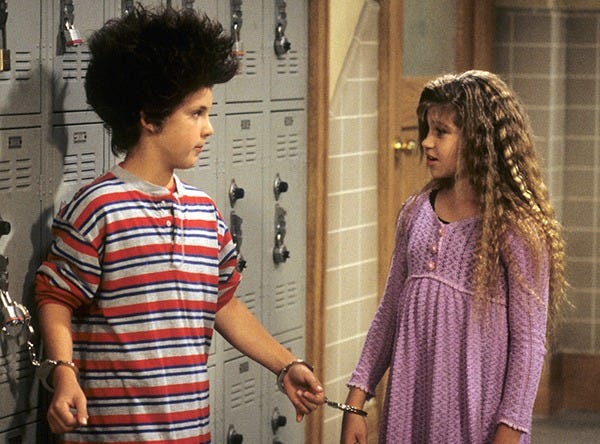
I’ve been bingeing older episodes of the podcast Pod Meets World hosted by Danielle Fishel, Rider Strong, and Will Friedle from Boy Meets World. While listening, I’m also doing a rewatch of the series and deeply enjoying their recaps. I watched the show as it aired, but never really again–and their recaps remind me of why. The thing that the show almost never gets right is consistency, and it’s frustrating. Did Cory and Topanga start their relationship at 12 years old in the episode “Cory’s Alternative Friends” or were they in kindergarten? Or was it the sandbox? Or the playground? The story changes constantly. Also: is Eric a cool older brother? Or really dumb and outlandish? The character, as Friedle himself asserts over and over in many podcast episodes, frustratingly changes course throughout the series. And what’s Shawn’s deal? How did he and Cory become friends and why did they keep adding and subtracting siblings to his character? Rider himself hasn’t been able to follow the path of his character’s trauma, emotions, wants, and needs.
A tonal whiplash
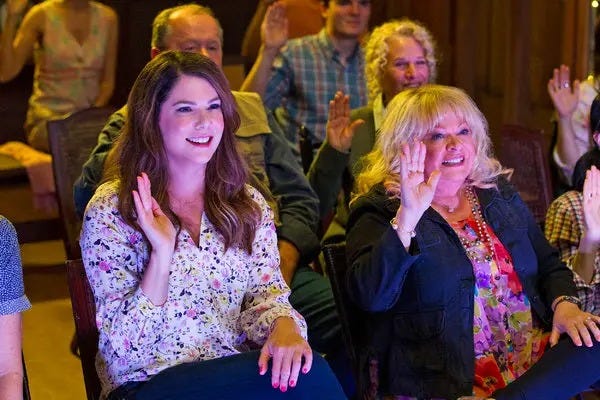
I can speak for all Gilmore Girls fans when I say this: when we saw the first trailer for Gilmore Girls: A Year in the Life on Netflix, we all freaked out. The tone was perfect: our favorite small town setting, a snowy town square, our favorite girls drinking their favorite coffee and making quips, exasperated Luke, and Emily Gilmore being herself. The tone felt like our show. But when it premiered, it fell a bit flat for a lot of the fandom. Was it because the episodes were like movies? Was it the colors? Was the writing not full of fast-talking as it was before? A fandom relies on the structure and tone of the story they love; switching it up is unsettling in most cases.
In another example, the epic show Lost started out as a thriller: a plane crash on an island, the back of the plane and its passengers missing, death and destruction in the aftermath of the crash, and survivors who are left behind with nobody to contact. As the first season progressed, survival in community was the main tension, while the island itself, full of its own secrets, monsters, and mysterious past, became the main character. What followed was several seasons of scientific mysteries and supernatural phenomena. But at the end, the series closed on a metaphysical/spiritual note that baffled fans completely and made their seasons-long practices of easter egg hunting, discussing, and theorizing feel cheapened.
A weird adaptation
One of my favorite books is Every Summer After by Carley Fortune. And I’m not alone: fans went crazy over this author’s debut novel in 2022. Since then, she’s become a household name in the book world with multiple instant number one New York Times bestsellers. So when the news of the television adaptation of the book, titled Every Year After, surfaced, fans reacted accordingly. It was one of the most anticipated shows of the summer of 2026. I was absolutely thrilled and counting down the days.
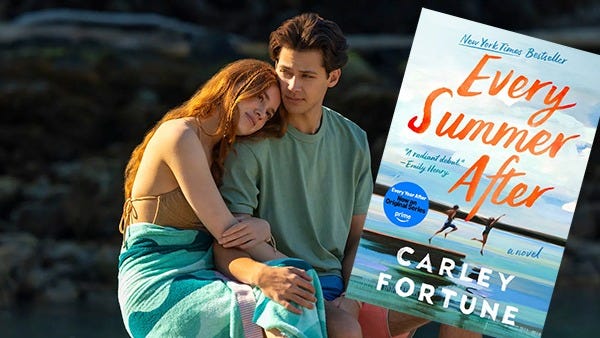
But the series came out and it…flopped. Fans were confused. Including myself. It’s hard to say why this adaptation didn’t make me feel the way the book did, because I can’t point to a single actor’s performance or anything being “wrong.” I just know it didn’t work, and fans agree. Some folks found it jarring that the actors played a huge span of ages for their characters, as the story takes place over the course of many summers as Percy, Sam and Charlie grow up together. Others hated the side character storylines that felt shoehorned in. In general, scenes felt unfinished and choppy, as if badly edited for story. It was a disappointing way to experience one of my favorite novels.
These tests of fandom are just that: tests. Whether a fan–or the entire fandom–can endure the fallout is case by case. For me, I can’t say that my interest in shows like How I Met Your Mother, Lost, or Gilmore Girls was catastrophically affected by the endings or tonal shifts, but they are things I think about and wince at. Though I’m not sure anything could make me not love a book by Carley Fortune.
What are the tests of your devoted fandom that you have experienced? I’d love to know in the comments!
Want more? Our Discord is where you’ll find everything you need to know about the Remarkist ecosystem including Folkic, our community app and Masslore, our fandom knowledge database! And be sure to hit that subscribe button so you never miss a thing at Rmrk*st Mag!