



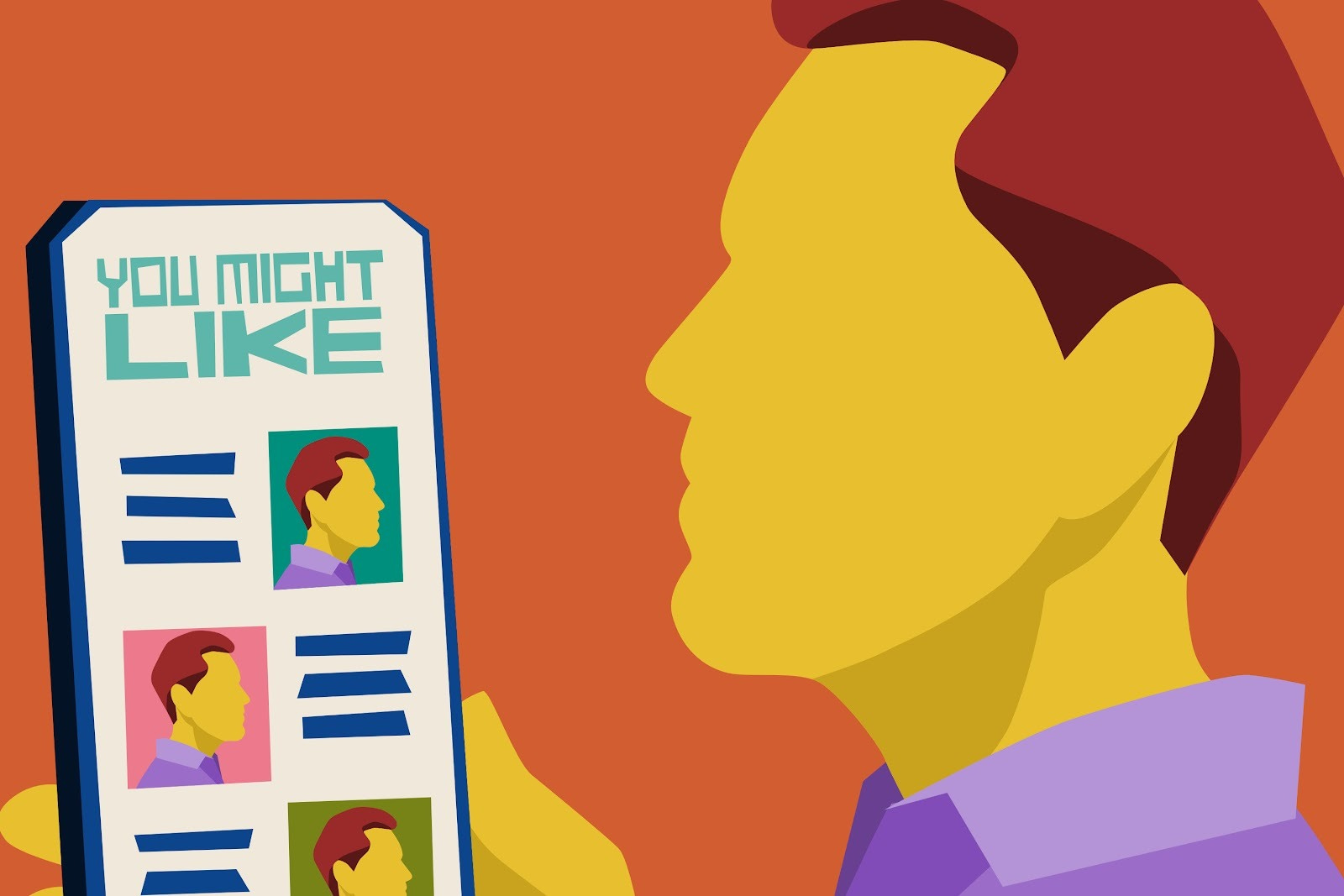
I can credit iTunes Genius for leading me to one of my favorite musicians of all time. It was the late 2000s, and I don’t even remember what I bought on iTunes that day. But I do remember getting a little message on iTunes telling me that I might like a new album by a musician named Sara Bareilles. Her debut major label album, Little Voice, was climbing the charts with the release of “Love Song” on Top 40 radio, but after I previewed a few seconds of the other tracks, I bought it immediately. I probably paid around nine or 10 dollars for that album.
At the time, I was beginning to transition from buying music in hard copy (i.e.: CDs) to digital once I had my trusty iPod and a new work commute via train. And I loved the convenience. I fell in love with Little Voice: “Vegas” was a haunting song about following your dreams, and my home city of New York was name-checked as a place where dreams could come true. (There’s also a lyric in it that says “tattoo my body with every Broadway show” which feels spookily prescient, given Bareilles’ recent success on Broadway.) “Gravity” became my sad girl anthem, a song that I felt was uniquely mine; now I can’t go to a single karaoke night without someone flexing their vocals and giving it a spin. “Love on the Rocks” was undoubtedly my favorite, and I’ll never forget sitting with a friend at lunch who brought up not only Sara but how that song was his favorite too. I could not believe it: didn’t iTunes recommend this album to me and only me? Well, of course not. Still, my affection for this musician felt singular, unique, special. And when friends and I decided to go out to the legendary Webster Hall ballroom for a live show, I was amazed–and so was Sara–that everyone in the room sang her lyrics back to her.
It was both a mainstream and indie cultural moment for me. I remember feeling special, that only this group of people knew this musical genius, but of course it had been recommended to me by a powerful corporation heavily influencing the music industry. In a way, it was monoculture, but in another, it was siloed to suit my specific taste. We were about to enter a media revolution: Netflix had just begun streaming content online (I absolutely still had a DVD queue), MySpace and Twitter were not algorithmic, though Facebook had started dabbling. We had no idea how our tastes might be influenced by, well, influencers in the coming years. Was my discovery an expansion of taste made possible by streaming? Or would this tech eventually limit my options?
Streaming and the expansion of access
You can’t develop a taste for a genre, writer, or filmmaker you’re never exposed to. Before streaming, you’d have to actively look beyond the big marketing dollars of major movie, TV, and book releases to find niche interests. I loved wandering around the small video store in our neighborhood as a kid; I saw cover art on cassette tapes that intrigued me. As a young teen I remember wandering around The Wall, a regional chain music store, and loving the album they were playing inside the store over the speakers. I asked what it was–Crystal Waters, Storyteller–and bought the CD on site. I still have it, and I remember that elated feeling of discovery every time I look at it. In college I spent many Saturdays at the Virgin Megastore in Union Square where one could get lost for hours on its many floors (unfortunately it no longer exists; a bank now sits in its former retail footprint). My friends and I would wander for hours and stumble onto the street as if emerging from a darkened theater in the middle of the day. The sheer amount of offerings was dizzying. I had always felt at home at a library, where I could scan shelves, read flap copy, judge books by their covers, yes, but discover authors that way.
Cable TV expanded our content universe; the fact that we could get more than a few channels with movies, made for TV specials, home improvement shows and cooking shows was a revelation. These days, if there’s something we want to watch it’s nearly impossible not to find it on one of the many streaming platforms. A piece of content has to be truly obscure not to exist anywhere. I have made endless Spotify playlists of music from random tracks I hear while watching a TV show to deep cuts from my childhood. Libby, the free library app, has made ebooks and audiobooks accessible without me having to leave my couch.
The streamers have gotten better and better at serving up content you might like based on previous watching habits. The “if you liked that, you might like this” way of selling to customers isn’t new, especially in the internet age. But if you looked for something obscure and streamed it, chances are the platform will recommend something similar to you, broadening your experience of that kind of thing.
Binge-watching also contributes to access and audience expansion. Some shows that might have lost an audience after one or two episodes airing week to week in a pre-streaming era of network television might keep folks hooked through a few episodes simply because it’s available. I’m not sure I would have held on with a show like Stranger Things past the first episode if I had to wait, and I might have fallen off due to other interests. But the bingeable nature made me a fan of the show, even though sci-fi isn’t usually a genre I go for. In this way, the way the streaming platform itself works helped me carve out a taste for the genre.
Word of mouth also flourishes in the streaming era. If a friend said “I watched this amazing documentary, you have to see it,” it would take you less than 30 seconds to find it on your own and hit play. You’d know within minutes if your friend’s recommendation was to your taste or not, because access and speed of consumption is nearly immediate. We also don’t have to wait for international hits to become accessible; many streaming platforms deliver music and programs from other countries immediately. And finally, representation is easier to find. Network television has always been more homogeneous than not; shows featuring actors who are nonwhite, identify as LBGTQ+, and have various body types are still often seen as outliers. But streaming platforms expand access to all kinds of stories on a larger scale.
Algorithms and feedback loops
When Blockbuster moved in to replace small video stores, something interesting happened to me: the New Releases wall called like a siren. I used to spend most of my time on that wall, and didn’t lurk in the center aisles as much as I had when indie rental stores were smaller and more eclectic. In a Blockbuster, a much larger store with arguably more access to videos and DVDs to rent, I looked for films I was aware of. I found that giant corporate footprint overwhelming, and so I rarely went in without a plan. I feel the same today every time I open up my Netflix app: there are so many choices, I need to be told what to watch via the home screen.
Streaming platforms have a built in system that never existed before: they record data about what you watch, how long you watch it for, and whether you rate it and how. They use this information to recommend more content to you right there on the home page. While this can expand your consumption by showing you content you might not even know existed, it can also limit it. Sometimes this recommendation system pulls you deeper into a rabbit hole of similar content instead of asking you to browse completely different genres. Plus, it’s going to show you what’s new and top rated by others up front: it’s the Blockbuster New Release wall in digital form.
This easy access and feedback loop in the presence of seemingly endless choices might take away some of the joy of discovery. That feeling of walking into a video rental store in the 90s and looking around for something to pique your interest was exciting. Collections were curated of course; the store didn’t have unlimited inventory space. But there was a sense of accomplishment when you stumbled onto content you ended up loving. The serendipity of finding something new that you love can be as exciting as the content itself. Think of the last time you went to a concert and the opening act was a musician you’d never heard of before, or better: one you had but hadn’t engaged with yet. In the early 2000s I went to a Bon Jovi concert with some family and friends, and there were two opening bands. As we roamed around the stadium venue in the daylight, hours before Bon Jovi would perform, a young Jason Mraz and his band took the stage and played for the handful of folks in that cavernous venue. His song, “The Remedy” was on Top 40 radio, so we knew who he was. But his virtuosity as a vocalist and guitarist, on display in a live setting, was hard to ignore. That was the day I became an enormous fan of his; I barely remember the Bon Jovi show. The serendipity of discovering new music was intoxicating.
The algorithm also misses a key component of building one’s taste: the slow burn of absorbing content and acquiring a love for it over time. If your options are data-driven, you might not find that gem amongst other offerings. The algorithm can retain data about what you ultimately viewed and rated, but it isn’t rating your feelings along the journey. There are many ways individuals build affection for stories: they watch and discuss with others, attend fan events in the real world, consume companion content like podcasts or read books about them, etc. Simply watching them all the way through isn’t an accurate measure.
Loss of monoculture and impact on taste
On social media, I’ve seen a lot of nostalgia posts mourning the culture of the 1990s and early 2000s. While I love Hannah Montana and Laguna Beach as much as the next Millennial (both of which had splashy reunions recently), I believe this wistful longing for an earlier time is at least in part about missing a world where major pop culture events were experienced by most: a TV show premiere that blew our minds, a movie whose ending was so shocking it was hard not to spoil it for others, the book everyone seemed to be reading. Before streaming, we lived in a world where channels were mostly limited and we watched a lot of the same things, or at least overheard classmates or coworkers discussing them the next day.
The question is: did we all really love and hate the same things? Or were our tastes dictated by the communal aspect of getting to experience them together? Today, there is no “Must See TV;” we aren’t even watching the same shows on primetime TV every night. That communal experience is one we have to put effort towards seeking out. This is where fan communities fill the gap, with fans converging online and in real world spaces, even if in fragmented siloes.
What’s next?
The paradox is clear: while in the past our options were limited, therefore our tastes were too. Exposure to more content helps us redefine our tastes, but an abundance of content makes curation unwieldy. Collaborating with others has always helped us define taste, but in a fragmented fandom landscape, it’s more important than ever to find your fannish tribes.
Within the current state of fandom culture, finding others whose tastes you admire and who share your appreciation for particular content is a deliberate process. It takes effort. But collaborating with others helps us define and redefine what matters to us. In celebrating what we love, analyzing content, and gathering with others, we can both define our tastes and expand our horizons. Taste has always been an ever-evolving part of our lives, and as media changes, so will our methods of cultivating appreciation for art and popular culture.
Want more? Our Discord is where you’ll find everything you need to know about our ecosystem at Remarkist! Don’t forget to follow us on Instagram, tumblr, and Spotify for more insights on fandom—and hit that subscribe button so you never miss a thing at rmrk*st Mag!
